
Seeing Is Freeing
Laser-based vision correction technologies
that replace the need for spectacles / glasses
Understanding Flapless Vision Correction
Technological advancements have led to procedures that eliminate the need for creating a flap.5 This innovation reduces the risk of side effects like dry eyes or complications from flap wrinkles or inflammation, which can occur in flap-based surgeries5.
Fast recovery, precision, and minimal side effects are the major advantages of flapless specs removal technologies like SiLK.10
What is SiLK (Smooth Incision Lenticular Keratomileusis)?

The SiLK technology allows quick specs removal , offering next-day recovery6. A small laser-incision causes minimal disruption - no blade, no flap, no drama7. As a result, patients experience more comfort with a precision laser vision correction option.
A smooth procedure in three easy steps
1. Create
The laser creates a disc shaped lenticule in the cornea and then creates a microscopic incision next to the lenticule. 4
2. Remove
The lenticule is removed through the incision. 4
3. Reshape
The cornea reshapes and heals without sutures, correcting the vision. 4
SiLK leads to great outcomes and fast recovery6
Quick and Clear Visual Results8
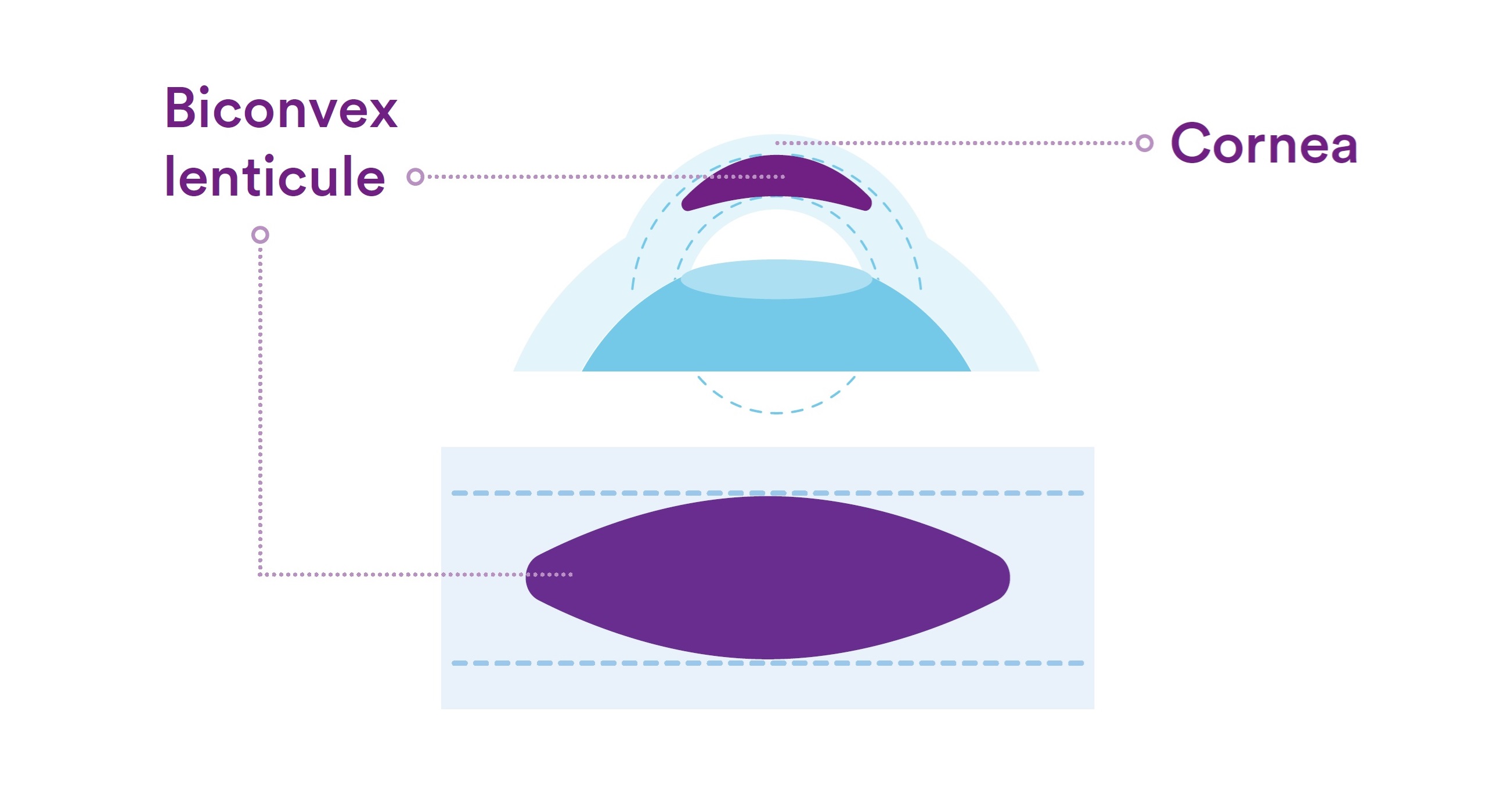
SiLK uses a proprietary biconvex lenticule shape where both surfaces are curved to match each other. After removal, the symmetric lenticular surfaces match perfectly, resulting in good visual outcomes from day 1. 6
Corneal nerve protection8
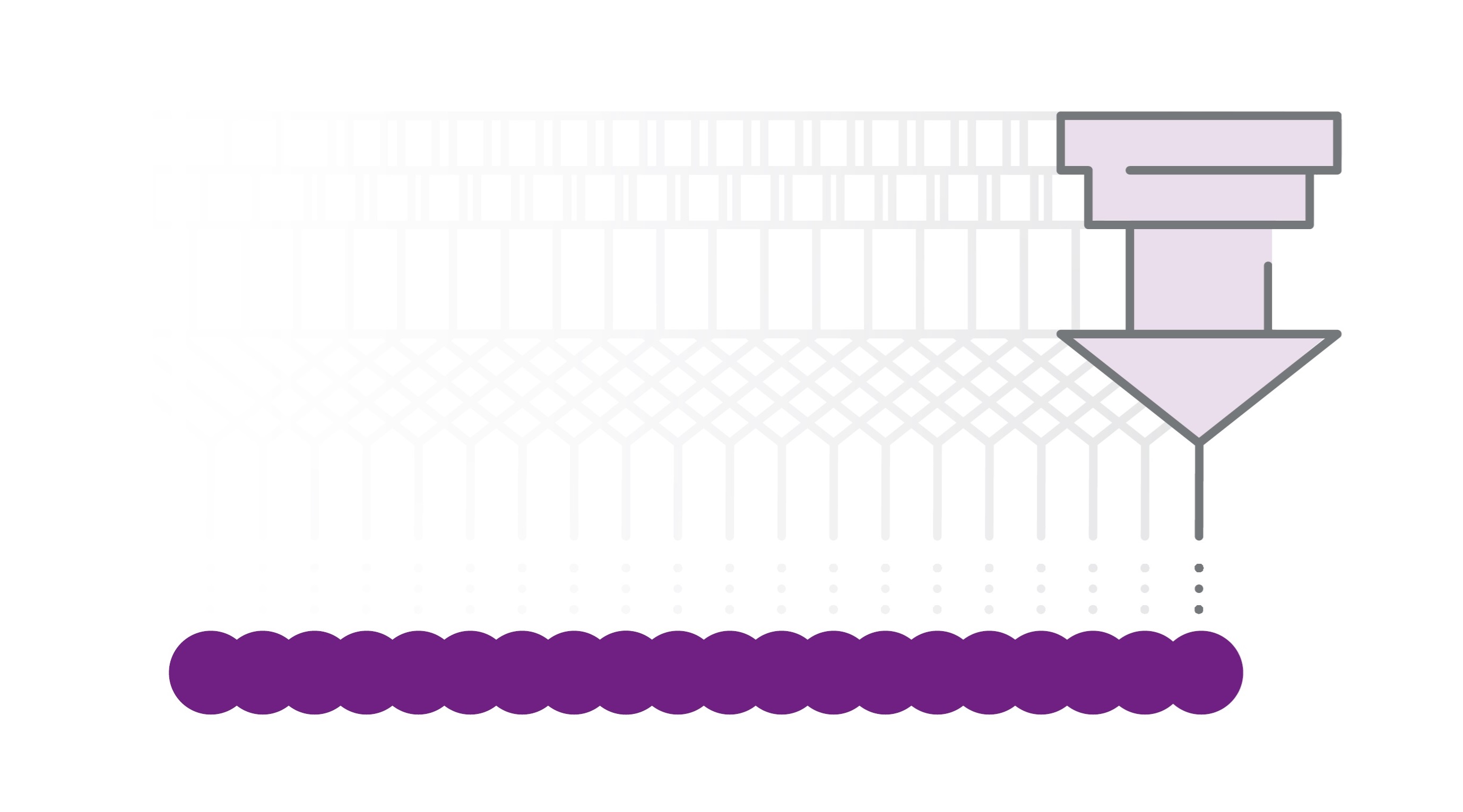
The innovative biconvex lenticule design is crafted to minimize corneal nerve damage and enhance nerve regeneration. Damage to corneal nerves can lead to dry eye and other complications. 9
Lower risk of post surgical complications7
The laser is very precise that results in minimal collateral tissue damage around the treatment areas.
Why are patients choosing SiLK?
99%
satisfied with their results at 3 months. 6
96%
satisfied with quick vision improvement at 3 months. 6
100%
were happy after choosing Silk. 6
Disclaimer
The content available on this microsite is provided solely for general educational and informational purposes and is not intended to advertise, promote or recommend any specific product, device, technology, procedure or service offered by Johnson and Johnson Surgical Vision India Private Limited. The information on this microsite does not constitute medical advice, diagnosis or treatment and should not be relied upon as a substitute for professional medical advice. The suitability of any medical procedure or treatment for an individual patient can only be determined by a qualified healthcare professional after considering the patient's specific medical condition and circumstances. Always consult a qualified healthcare professional before making any healthcare or treatment decisions.
References
References
- 2024REF5230 - Wellington Eye Centre. The Evolution of Laser Eye Surgery. Available at: https://wefixeyes.co.nz/articles/the-evolution-of-laser-eye-surgery/ 2. 2024REF5232 - Clearvision Eye Clinic & LASIK Centre. PRK, EpiLASIK and TransPRK 3. DOF2023RF4002 - The ELITA™ femtosecond laser device description (v1.0) 4. 2024REF5580 - Cleveland Clinic. SMILE Eye Surgery. Available at: https://my.clevelandclinic.org/ health/treatments/25076-smile-eye-surgery. Accessed March 2024. 5. 2024REF5614 -
LASIK vs SMILE - Clearvision Eye Clinic & LASIK Centre Singapore_15Jul (v0.1) 6. DOF2023RF4003. ELITA™ femtosecond laser SILK™ procedure long term safety and effectiveness – Subset of Phase 3 data (India sites only) 7. 5024REF6804. H. Minoguchi, A. Umar, and H. Fu, Characterization of Disrupted Tissue Interface Thickness for Keratorefractive Lenticule Extraction Procedure with ELITA Femtosecond Laser, 2024REF6804, November 7, 2024 8. DOF2022OTH4006. ELITA™ Femtosecond Platform – Biconvex Lenticule Design. 9. 2024REF5986 - Advancements of Refractive Surgery. 10. 2025REF6218 - Chen Clinical Ophthalmology. 2024 (v0.1)